-
 23 Kasım 2026
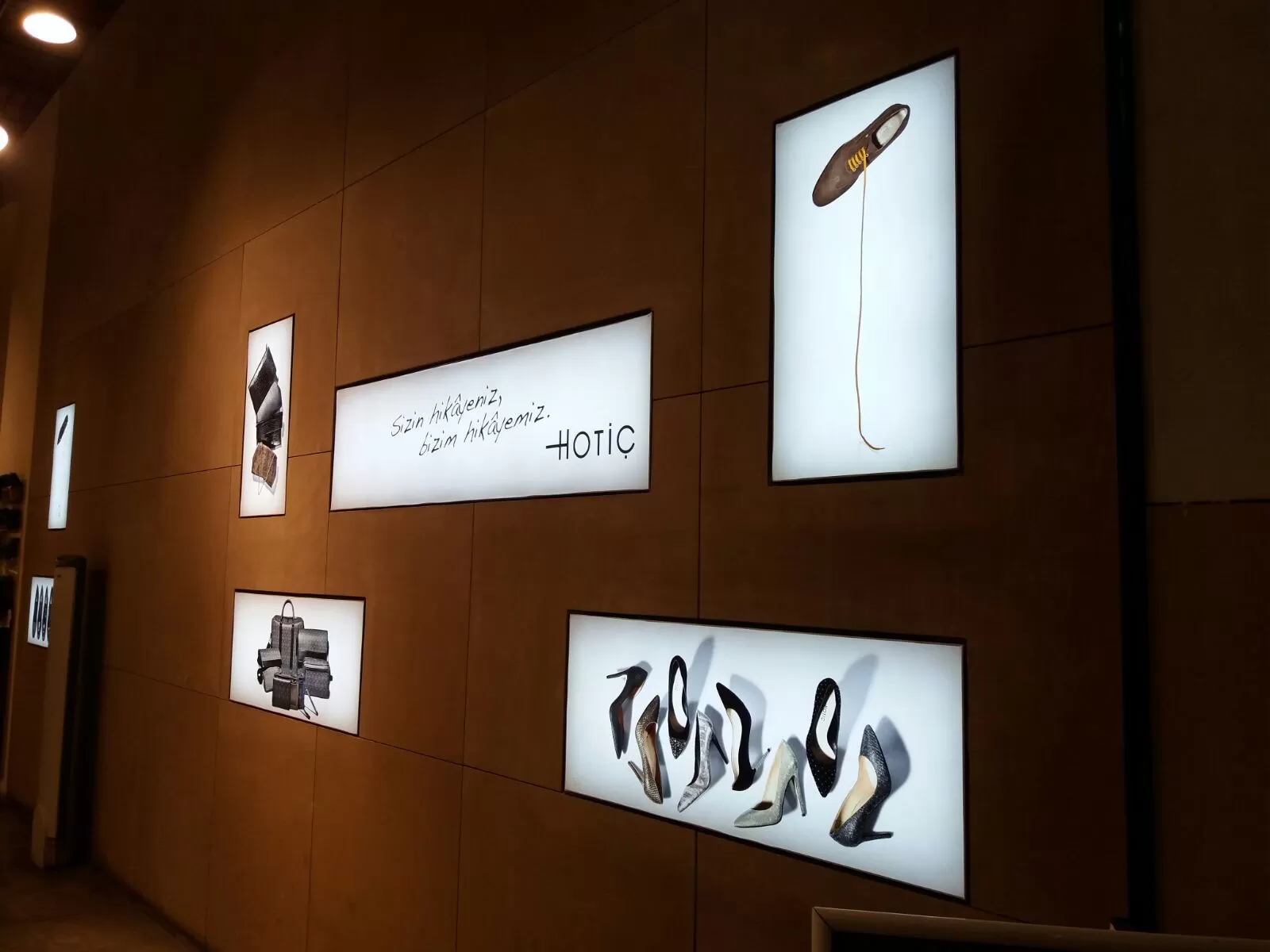
In retail stores, showrooms, hotel lobbies, and modern office designs, recessed visual areas (niches) that blend smoothly with architectural lines without sticking out from the wall are becoming increasingly popular. However, when you try to place a standard lightbox frame inside a drywall or wooden niche, two common problems usually appear: the metal frame remains visible from the outside and spoils the minimalist look, or you have to remove the entire frame just to change the graphic.
So, how can you install an illuminated display inside drywall or wooden recesses where the aluminum is completely hidden from the outside, sits flush with the wall, and allows you to change the graphic in minutes? Let us look step by step at the technical details you need to know for a flawless result in architectural projects.
1. Why Choose a Special H Profile Instead of a Standard Profile for Niche Applications?
Classic lightbox profiles mounted on top of a wall (surface-mounted) have aluminum side walls that are visible from the edges. Inside a recessed niche, however, the goal is not to show a metal frame, but to highlight the graphic glowing directly from within the wall.
Developed specifically for this type of recessed installation, the
2. Niche Preparation and Installation Steps
Paying attention to a few basic rules during the drywall or wooden construction phase both speeds up installation and directly improves lighting quality:
Niche Depth and Lighting Distance: The inner depth of the niche must provide enough distance between the backlit LED modules or LED bars placed on the back wall and the fabric surface so that light spreads evenly. If the light source stays too close to the fabric, bright dots (hotspots) may appear on the surface; when the right depth is planned, equal brightness is achieved across every point of the fabric.
Lightweight and Single-Piece Profile Advantage: In drywall and wooden niches, it is important not to put extra weight on the structure. Weighing only 0.23 kg per meter, the
H-section recessed aluminum profile Hiding Transformers and Cables: The power supply (adapter) and wiring are hidden behind the back wall of the niche or inside an easily accessible service cavity so that no cables are visible from the outside.
Color Options Matching the Interior Concept: Even though the profile is hidden from the outside, its surface can be customized with optional color finishes to match your project perfectly when viewed up close or in custom design details.
3. Flexibility for Illuminated or Non-Illuminated Use
One of the biggest advantages of recessed H-profile systems is that the same structure can be adapted to different space requirements:
Illuminated (Backlit) Application: In shop windows, campaign walls, and showroom areas where high visual impact is needed, it creates a strong and vibrant lightbox effect with LED modules placed on the back surface of the niche.
Non-Illuminated Decorative Application: In hotel corridors, meeting rooms, or acoustic wall coverings where a softer ambiance is preferred, it can also be installed without an LED setup as a non-illuminated recessed textile frame.
4. Changing Graphics in Minutes During Campaign Periods (SEG System)
One of the most common questions about recessed niche installations is how the printed fabric is replaced. In special H Profile, the silicone edge gasket (SEG) channel is accessible directly from the front surface.
During seasonal transitions or new campaigns, there is no need to remove the frame, call a technician, or use any hand tools. You simply pull the silicone edge of the current fabric out of the channel and press the silicone edge of the new printed fabric into the channel to install it smoothly and tightly within minutes.


